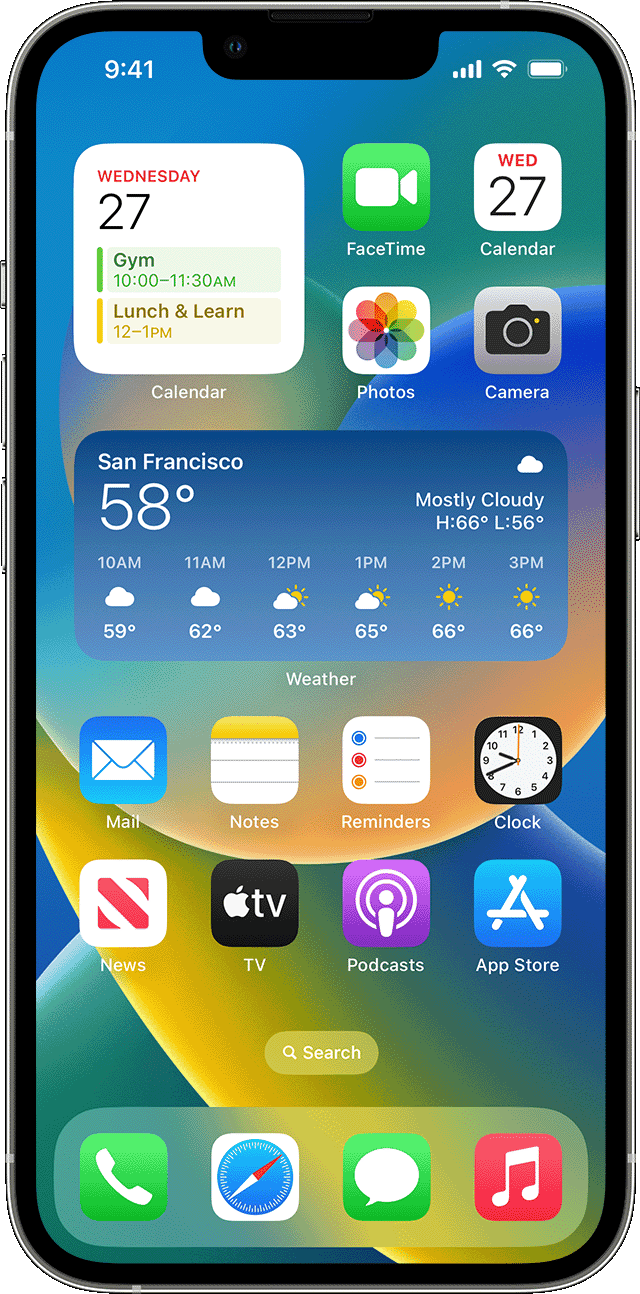
Widgets have changed the iPhone’s Home Screen from a grid of apps into a hub of information and functionality. The right widgets can make your iPhone experience even better. The ones mentioned above are a good place to start, but there are many more to discover in the App Store. With a little customization, your Home Screen can become personalized and efficient. The interactive capabilities of widgets on iPhone have improved with the introduction of iOS 17. These new widgets are not just static displays – they allow you to interact with apps right from the home or lock screen without opening the app itself.
From checking emails to adjusting media controls, interactive widgets streamline daily tasks and enhance the user experience on Apple devices. Users can easily customize their device interfaces with these interactive widgets, which now support full interactivity, a feature highly anticipated since the introduction of widgets. This upgrade means a more personalized and efficient way to access app functionalities, making the iPhone more user-friendly and convenient for multitasking. With simple long-press actions, users can edit or rearrange these widgets to fit their preferences and lifestyle seamlessly.
Enhance Your iPhone Experience with Widgets
Widgets have become an integral part of the iPhone experience, offering a quick glance at information and access to app functionalities right from your Home Screen. While the built-in widgets are useful, exploring third-party options can elevate your iPhone experience to new heights. Here are some must-have widgets that blend functionality with aesthetics.
Productivity Powerhouses
Information at a Glance
Health and Wellness Companions
Other Must-Haves
The Top Widgets On iPhone (LISTS)
Table of Must-Have iPhone Widgets
Table Of Essential iPhone Widgets
Productivity and Utility Widgets
Information and News Widgets
Health and Fitness Widgets
Other Useful Widgets
Key Takeaways
Interactive Widgets on iOS
Interactive Widgets on iOS 17 have changed how users interact with their iPhones. They offer new ways to access app features quickly from the Home Screen.
Understanding Interactive Widgets
An Interactive Widget is a mini-app that lives on the iPhone’s Home Screen. It lets you view and use app content without opening the app itself. Widgets can show information such as weather updates, calendar events, or music controls. With iOS 17, these widgets become interactive, meaning you’re able to tap buttons or scroll through content directly from the widget.
Adding and Customizing Widgets
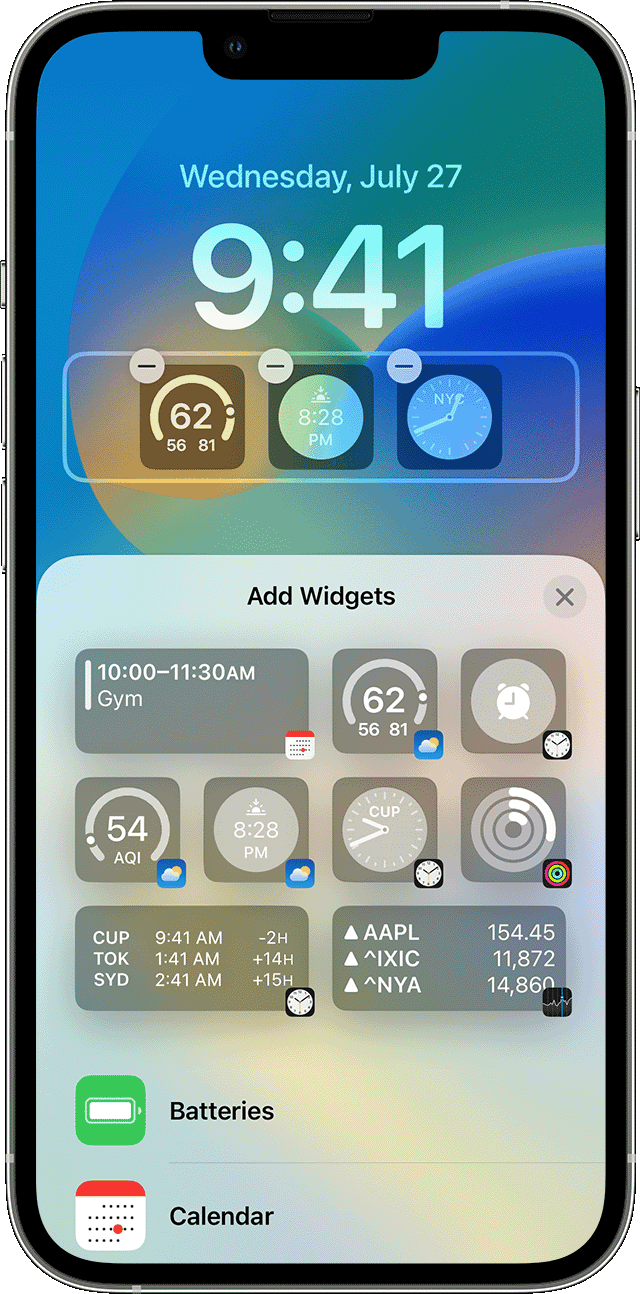
To add a widget to the Home Screen, touch and hold the background to enter edit mode. Then tap the “+” icon, usually found in the upper corner. A list of available widgets appears. You can search for and select the one you want to use. To customize, tap “Add Widget” and move it to where you want it on the Home Screen. Each app comes with different widget sizes and options you can choose from to fit your needs.
Widget Interactivity and iOS Integration
The interaction within these widgets is seamless. For example, you’re able to swipe through an Email app widget to read your inbox at a glance.Reminder apps, music players, and more all offer rich controls through their widgets. This integration means you can complete more tasks without leaving the Home Screen. Apple has integrated this feature throughout iOS, linking widgets with the apps for a unified experience.
Beyond Basics: Advanced Widget Interactions
Widgets on the iPhone have evolved. They now go beyond showing simple information and allow users tointeract with themdirectly. This opens new doors for third-party developers and hints at an exciting future for iOS andiPhone capabilities.
Third-Party Widgets and User Experience
Third-party developers create apps that enhance the iPhone experience. Thanks to iOS 17, their widgets can do more on the Home and Lock screens. Users can now play music, set reminders, and check emails without fully opening an app. This means less time tapping and more time enjoying. Widgets from the App Store bring diverse options to users, making every iPhone more personal.
For instance, a reminder widget can show tasks and let users mark them as done. A podcast app might let users play or pause an episode right from the widget. This level of interaction with third-party widgets makes the usage seamless. It shapes a user experience that feels intuitive and efficient.
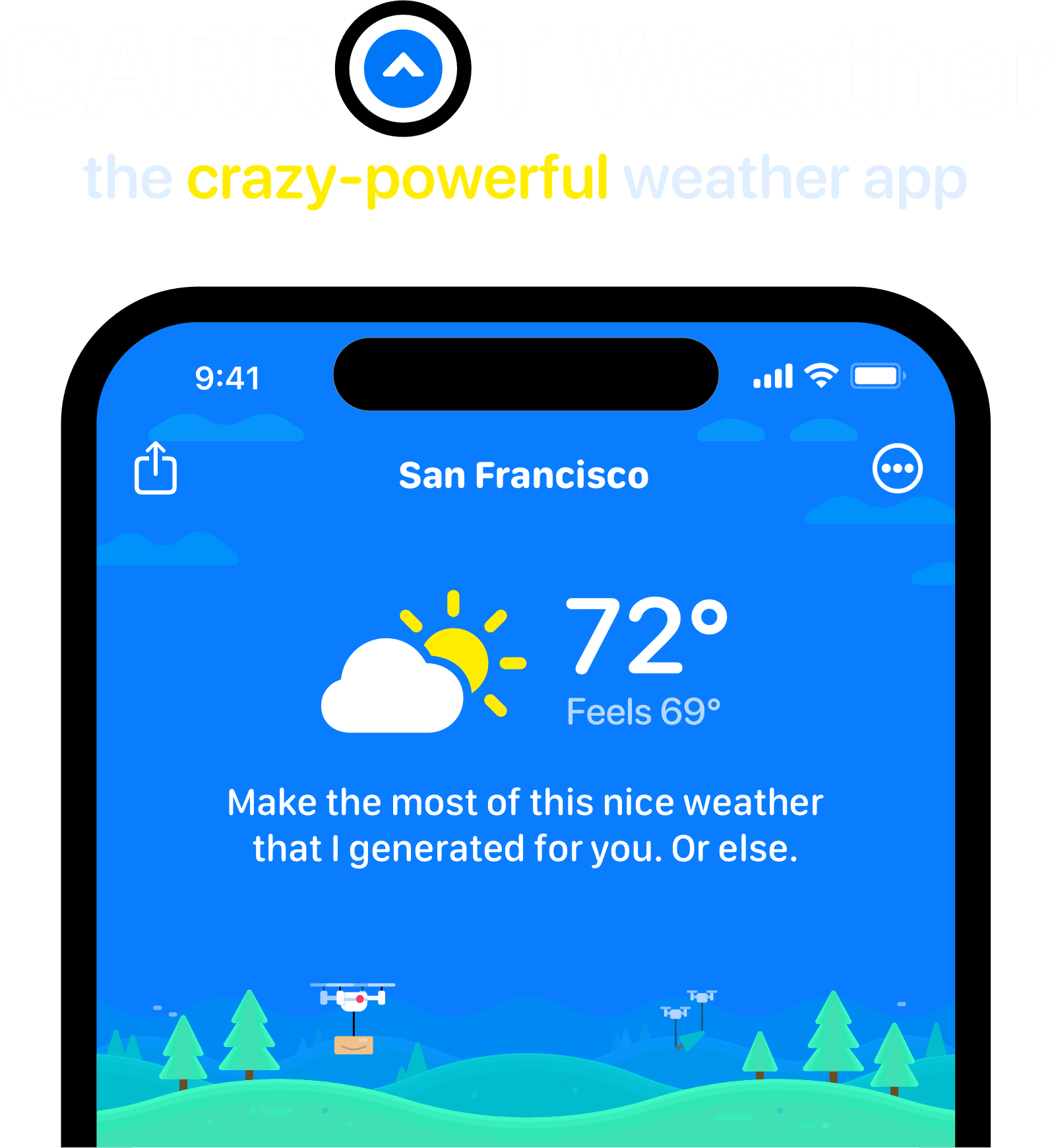
Future of Widgets with iOS and iPhone
The future for iOS widgets is full of potential. With eachiPhone update, users enjoy more ways to interact with their devices. Widgets may soon offer even more advanced features, like personalizing the user interface ormanaging complex taskswith a tap.
Home screen widgetscould evolve to show real-time information or maybe even allow for in-widget purchases. Lock screen widgets might one day be a hub for shortcuts to user’s favorite tasks and information. The possibilities are endless. As developers continue to innovate, the iPhone will become even more powerful and indispensable to daily life.